Whether you are a lifelong whodunit enthusiast or a newcomer eager to dive into the world of mystery classics, finding the best starting point can feel like solving a mystery itself.
Imagine the dilemma when you decide to pick one of the masterpieces from the Queen of Crime, Dame Agatha Christie!
With over 66 detective novels and over 150 individual short stories in total, featuring her famous detectives like Hercule Poirot, Miss Marple, and Tommy and Tuppence, as well as lesser-known characters like Mr. Quin and Parker Pyne, Christie reshaped crime fiction with brilliantly crafted plots, legendary sleuths, and unbelievable plot twists.
In this ultimate guide, we list the top 10 Agatha Christie novels of all time, complete with key themes, iconic sleuths, recommendations on who should read each, and why each pick is a masterpiece.
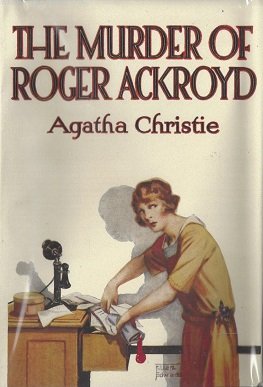
1. The Murder of Roger Ackroyd (1926)
- Detective / Sleuth: Hercule Poirot
- Core Themes: Secrets, deception, and narrative perspective
- Who Should Read It: Fans of groundbreaking narrative structure and ultimate plot twist in crime fiction history.
Why is it a Masterpiece?
Widely considered one of the most influential detective novels ever written, The Murder of Roger Ackroyd broke the traditional “rules” of detective fiction in a way that had never been done before.
When a wealthy widower is murdered shortly after receiving a letter revealing the identity of the person blackmailing his fiancée, Poirot comes out of retirement. The cleverness of the narrative voice and the sheer audacity of the twist make this an absolute must-read.
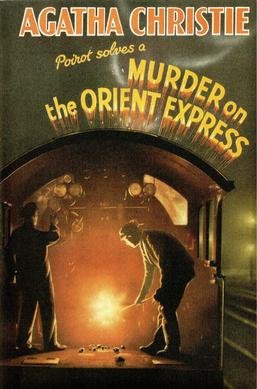
2. Murder on the Orient Express (1934)
- Detective / Sleuth: Hercule Poirot
- Core Themes: Revenge, collective guilt, and moral justice
- Who should read it: Fans of atmospheric settings, ticking clocks, and moral dilemmas disguised as whodunits.
Why is it a Masterpiece?
Stranded in a snowdrift somewhere deep in Yugoslavia, a luxury train is suddenly cut off from the world. Overnight, an American businessman is murdered in his locked compartment, and every single passenger has a motive and an alibi.
Poirot must untangle a web of lies on a train where justice isn’t always as black-and-white as the law.
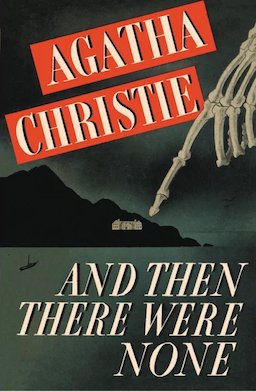
3. And Then There Were None (1939)
- Detective / Sleuth: Standalone (No recurring detective)
- Core Themes: Retribution, inescapable guilt, and revenge
- Who should read it: Horror and suspense lovers who adore high-stakes survival mysteries.
Why is it a Masterpiece?
Ten strangers with dark pasts are invited to a desolate island off the coast of Devon by an absent host. One by one, they are murdered in accordance with the lines of a chilling nursery rhyme.
With no detective on hand to investigate, the terror escalates as the survivors realize the killer is hiding among them.
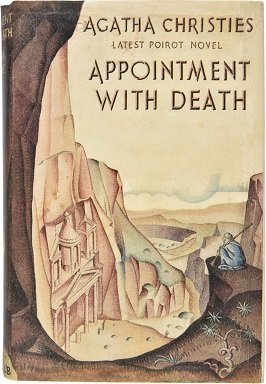
4. Appointment with Death (1938)
- Detective / Sleuth: Hercule Poirot
- Core Themes: Psychological abuse, control, and trauma
- Who Should Read It: Readers interested in deep psychological character studies and family drama within mysteries.
Why is it a Masterpiece?
Set against the backdrop of an exotic archaeological dig in Petra, this novel revolves around the tyrannical matriarch Mrs. Boynton, who exerts cruel psychological control over her adult stepchildren.
When she is found murdered, Poirot has only 24 hours to solve the crime. The psychological claustrophobia makes every family member a prime suspect.
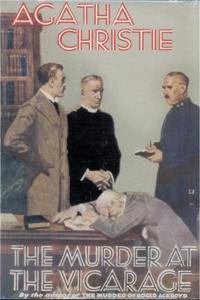
5. The Murder at the Vicarage (1930)
- Detective / Sleuth: Miss Jane Marple
- Core Themes: Village intrigue, hypocritical morality, and human nature.
- Who should read it: Fans of cozy village mysteries, gossip-fueled small towns, and brilliant amateur sleuths.
Why is it a Masterpiece?
When the deeply disliked Colonel Protheroe is shot dead in the vicar’s study, local gossip flies fast and loose. While the local police are baffled, elderly spinster Miss Marple uses her expert understanding of human nature (honed by watching village life) to see through the facade.
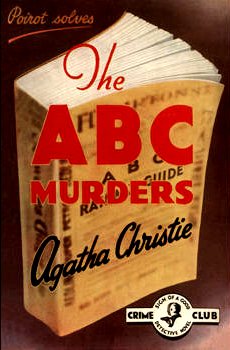
6. The A.B.C. Murders (1936)
- Detective / Sleuth: Hercule Poirot
- Core Themes: Obsession, serial patterns, and public panic
- Who should read it: Procedural and cat-and-mouse thriller fans.
Why is it a Masterpiece?
Poirot receives a series of mocking letters predicting murders committed in alphabetical order (Ascher in Andover, Barnard in Bexhill, Clarke in Churston). A serial killer is loose in Britain, leaving a copy of the ABC railway guide beside each victim.
This thrilling race against time plays out like a psychological game of chess between Poirot and an elusive killer.
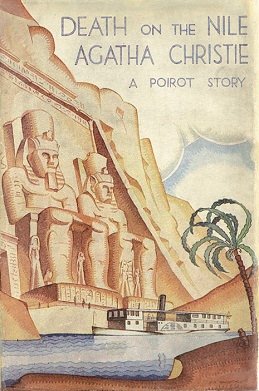
7. Death on the Nile (1937)
- Detective / Sleuth: Hercule Poirot
- Core Themes: Obsessive love, jealousy, and financial greed
- Who should read it: Romantics who love glamorous backdrops mixed with cold-blooded betrayal.
Why is it a Masterpiece?
A luxurious honeymoon cruise down the Nile turns deadly when a wealthy heiress is shot in her cabin. Nearly everyone on board has a grudge against the victim, combining intense jealousy, greed, and revenge. Poirot must sift through passionate rivalries against a stunning Egyptian landscape.
8. Murder in Mesopotamia (1936)
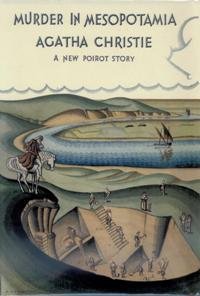
- Detective / Sleuth: Hercule Poirot
- Core Themes: Jealousy, obsession, and historical isolation
- Who Should Read It: Readers who love archaeological settings and claustrophobic locked-room puzzles.
Why is it a Masterpiece?
Narrated by a nurse hired to care for an archaeologist’s deeply anxious and manipulative wife, this locked-room-style mystery takes place at an excavation site in Iraq.
When the wife is murdered inside a secured room, Poirot must untangle decades of buried resentment, jealousy, and past secrets.
9. Evil Under the Sun (1941)
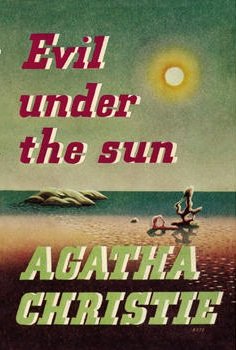
- Detective / Sleuth: Hercule Poirot
- Core Themes: Jealousy, inheritance, and superficial appearances
- Who Should Read It: Vacation readers who love sun-drenched settings; fans of mysteries centered on complex motives and alibis.
Why is it a Masterpiece?
At a famous resort hotel on the English coast, Poirot finds himself himself surrounded by a glittering cast of guests—including a former actress whose allure has turned everyone’s stomach.
When she is strangled on a secluded beach, alibis appear bulletproof, forcing Poirot to rely on timing, psychology, and meticulous attention to detail.
10. The Body in the Library (1942)
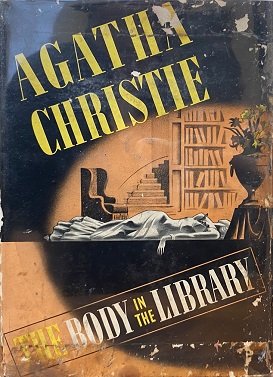
- Detective / Sleuth: Miss Jane Marple
- Core Themes: Class disparity, social reputation, and deceptive appearances
- Who Should Read It: Cozy mystery lovers who enjoy social satire and classic village detective work.
Why is it a Masterpiece?
The body of a glamorous young woman is found on the library rug at Gossington Hall. Nobody knows who she is.
Naturally, the local town jumps to conclusions, but Miss Marple steps in to prove that appearances can be profoundly deceiving. It’s a masterclass in misdirection and sharp village observation.
Which Agatha Christie Book Should You Read First?
- If you want the ultimate twist: Read The Murder of Roger Ackroyd.
- If you love atmospheric travel mysteries: Read Murder on the Orient Express or Death on the Nile.
- If you prefer dark, high-suspense thrillers: Read And Then There Were None.
- If you love cozy village mysteries: Read The Murder at the Vicarage.
Image Credits:
Book Covers: Wikimedia Commons
Featured Image cover (modified with Canva): Photo by Giovana Miketen on Unsplash